
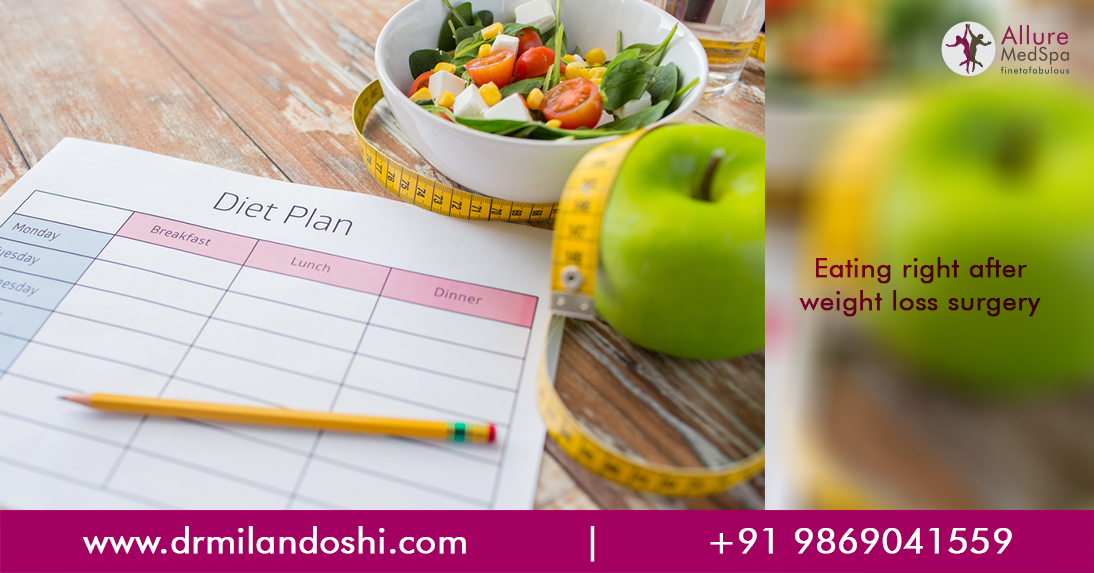

Many of my patients tell me, “Doctor, surgery was the turning point—but I’m scared of doing something wrong after.” In my clinical experience, this concern is valid. Weight loss surgery is life-altering, but surgery alone is not the finish line. The real success comes from how you eat, hydrate, and nourish your body after the procedure.
Why is diet so important after weight loss surgery?
Post-surgery diet supports healing, prevents deficiencies, and ensures long-term weight loss success.
Surgery reduces appetite and stomach capacity
Nutritional needs change significantly
Poor diet can stall weight loss or cause weakness
Right food choices protect your results
Dr. Milan Doshi’s Tip:
Bariatric surgery gives you a tool—how you use it decides your outcome.
What does a balanced diet mean after bariatric surgery?
A balanced diet provides protein, vitamins, and energy in small, manageable portions.
Focus on nutrient-dense foods
Avoid empty calories
Eat slowly and mindfully
Follow portion control strictly
Your meals should heal your body while supporting fat loss.
Dr. Milan Doshi’s Tip:
After surgery, quality matters far more than quantity.
Why is protein intake crucial after weight loss surgery?
Protein preserves muscle mass, supports healing, and improves long-term metabolism.
Recommended intake: 60–80 grams per day
Helps wound healing
Prevents muscle loss
Improves satiety
Good protein sources include:
Eggs
Lean meats
Fish
Dairy products
Tofu, lentils, beans
Avoid heavy sauces and fried preparations.
Dr. Milan Doshi’s Tip:
Protein should be the first thing on your plate—not an afterthought.
How important is fluid intake after bariatric surgery?
Hydration is essential for healing, digestion, and energy levels.
Aim for at least 8 glasses of water daily
Sip slowly throughout the day
Avoid drinking with meals
Prevent dehydration and fatigue
Avoid:
Carbonated drinks
Alcohol
Sugary beverages
Unsweetened fluids and fresh juices (in moderation) are better options.
Dr. Milan Doshi’s Tip:
Dehydration is one of the most common reasons patients feel weak post-surgery.
Should you take professional help after surgery?
Yes. Professional guidance improves safety, nutrition, and long-term success.
Dietician or nutritionist for meal planning
Fitness trainer for gradual activity
Structured guidance prevents mistakes
Personalised plans work best
Dr. Milan Doshi’s Tip:
There is no “one-diet-fits-all” after bariatric surgery—your plan must be personalised.
Can your surgeon guide you even after surgery?
Absolutely. Your surgeon understands your procedure and long-term needs best.
Follow scheduled follow-ups
Discuss supplements and deficiencies
Ask before making major diet changes
Dr. Milan Doshi’s Tip:
Never hesitate to check with your surgeon—prevention is always easier than correction.
Conclusion – Final Words from Dr. Milan Doshi
Weight loss surgery is a powerful step toward better health, but it works best when paired with the right diet, hydration, and professional support. In my clinical experience, patients who respect their post-surgery diet not only lose weight effectively—but maintain it confidently.
Remember, surgery starts the journey. Your daily food choices complete it.
With consistency, guidance, and patience, long-term success is absolutely achievable.